Introduction:
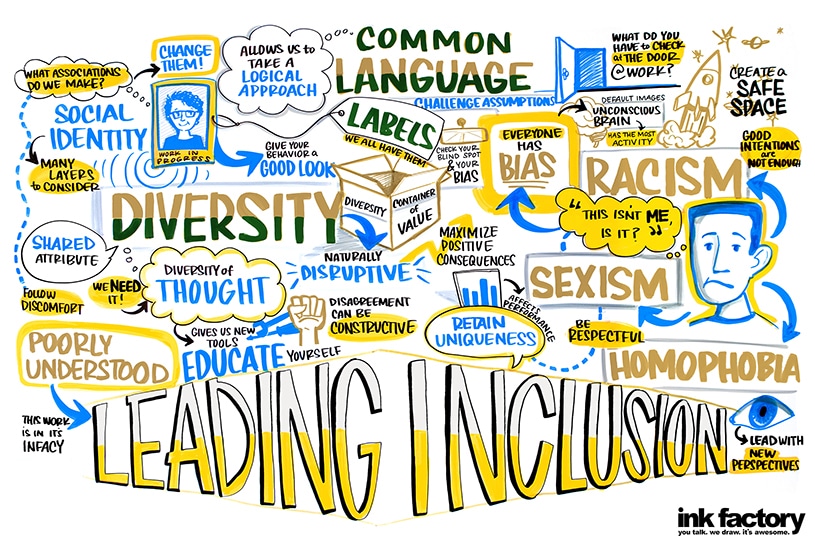
In an increasingly globalised and interconnected world, fostering diversity and inclusion in the workplace has become a top priority for organisations. Embracing diversity leads to diverse perspectives, enhanced creativity, and improved decision-making. In this blog, we will explore strategies for fostering diversity and inclusion through effective hiring practices.
1. Build a Diverse Hiring Team:
To promote diversity and inclusion, start by assembling a diverse hiring team. Include individuals from different backgrounds, experiences, and perspectives. A diverse hiring team can help overcome unconscious biases, ensure a fair evaluation process, and attract a broader range of candidates. By having a diverse group make hiring decisions, you set the tone for an inclusive workplace culture.
2. Remove Bias from Job Descriptions:
Craft job descriptions that are inclusive, gender-neutral, and free from bias. Use gender-neutral language and focus on the skills and qualifications required for the role. Avoid using terms or phrases that may discourage certain groups from applying. Consider using tools available, such as gender decoder plugins, to ensure neutral language in your job descriptions.
3. Widen Talent Pool:
Expand your reach to attract diverse candidates by using various recruitment sources. Collaborate with community organisations, professional networks, and diverse job boards. Attend diversity-focused career fairs and industry events where individuals from underrepresented backgrounds may be present. By actively seeking out diverse talent, you increase the chances of building a more inclusive workforce.
4. Implement Blind Hiring Techniques:
Blind hiring techniques aim to remove any bias during the initial screening process. Implement anonymised CV’s or remove personal information such as names, gender, and age during the review process. Focus solely on qualifications and experience to ensure fair evaluations. Blind hiring can help mitigate bias and increase the chances of selecting candidates solely based on their skills and qualifications. We have used this method a few times for clients, get your agency to do this for you.
5. Structured Interviewing and Assessment:
Develop structured interview questions and evaluation criteria to ensure fairness and consistency during the interview process. Design questions that focus on objective job-related criteria and avoid irrelevant personal inquiries. Use a uniform evaluation system pre-established by the hiring team to assess candidates consistently and objectively, reducing the risk of implicit bias.
6. Provide Unconscious Bias Training:
Educate hiring managers and interview panellists on unconscious biases to create awareness and sensitivity to potential biases during the hiring process. Offer training sessions that explore unconscious bias and its impact on decision-making. This helps individuals recognise and address biases, fostering a more inclusive hiring process.
7. Establish Employee Resource Groups (ERGs):
Employee Resource Groups bring together individuals from similar backgrounds, experiences, or interests. Encourage the formation of ERGs to create a sense of community, support, and belonging. ERGs can help attract and retain diverse talent, foster inclusion, and provide valuable insights into company policies and practices.
8. Regularly Evaluate and Adjust:
Continuously evaluate your hiring practices and monitor diversity metrics within your organisation. Regularly assess the effectiveness of your strategies and adjust accordingly. Seek feedback from candidates and employees to identify areas for improvement and make necessary changes to create a truly inclusive workforce.
Conclusion:
Fostering diversity and inclusion in hiring requires deliberate efforts, thoughtful practices, and a commitment from organisations. By building a diverse hiring team, removing bias from job descriptions, widening your talent pool, implementing blind hiring techniques, utilising structured interviewing and assessment, providing unconscious bias training, establishing ERGs, and regularly evaluating your strategies, you can create a more diverse and inclusive workforce. Embracing diversity and inclusion not only enhances employee engagement and productivity but also fosters innovation, creativity, and competitiveness in today’s dynamic world.
Until next time.
Steve
P.S. – Are you on Linked-In? Would you like to connect – Click here
P.P.S. Maybe you are looking for work, we have a selection of roles on our vacancy page click here or just hit reply and let’s set up a call.